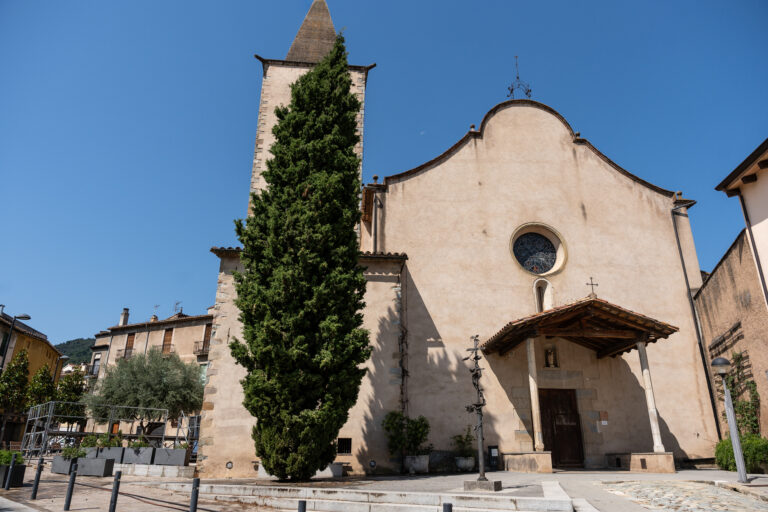
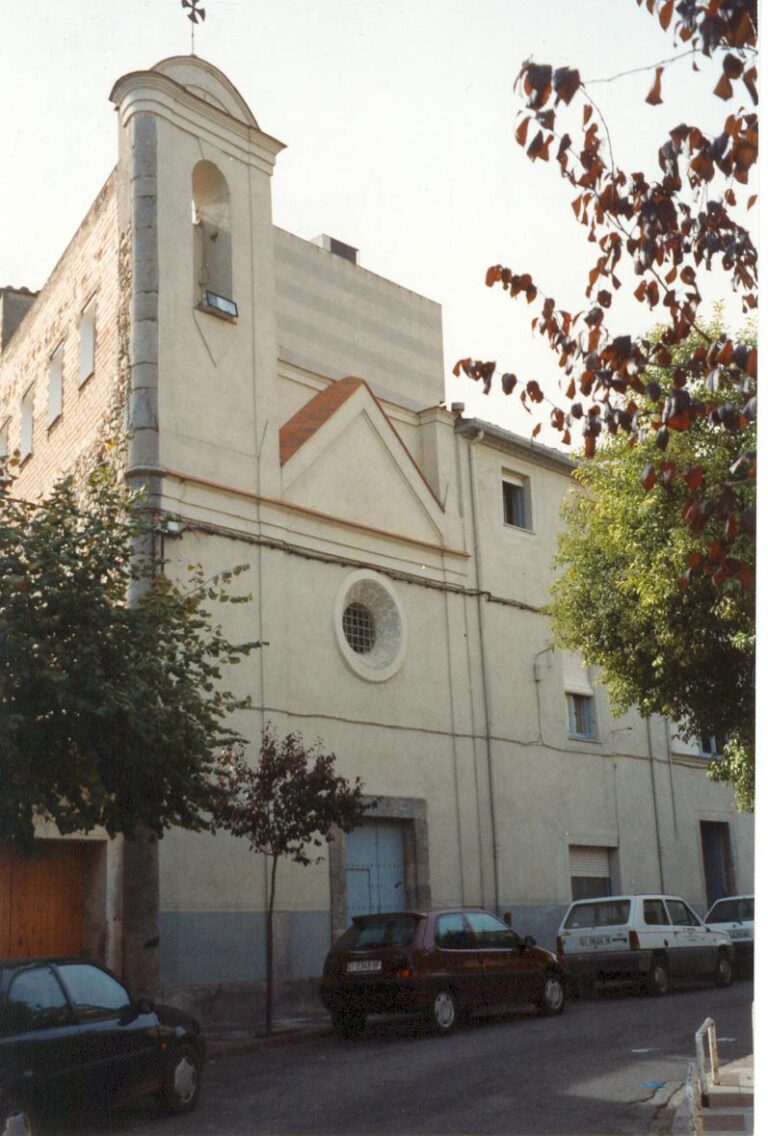
The earliest recorded mentions of this church, dating from the 9th century (833–860), relate to the West Frankish king Charles the Bald and the monastery of Sant Medir (in the village of Sant Gregori, El Gironès). By 1080, it had already been documented as a parish, which until the 18th–19th centuries encompassed the township and the castle of Anglès. The church of La Cellera is the most significant historical building here, as it is the origin of the town centre’s consolidation as a medieval sagrera, or cellera (a sacred territory).
The Romanesque building appears to have suffered some damage during the earthquakes of 1427. Notable elements inside the church include the funerary sepulchre from 1348, and the commemorative tablet by Galzeran Olmera (1597).
Between 1620 and 1627, the parish of the Doma in Anglès became momentarily “independent”, however, the competent court in Rome ruled in favour of an appeal lodged by La Cellera’s parish priest and a Canon from Girona, and Anglès ceased to enjoy the privilege. This is commemorated on a rectangular tablet fixed to the south façade of the church.
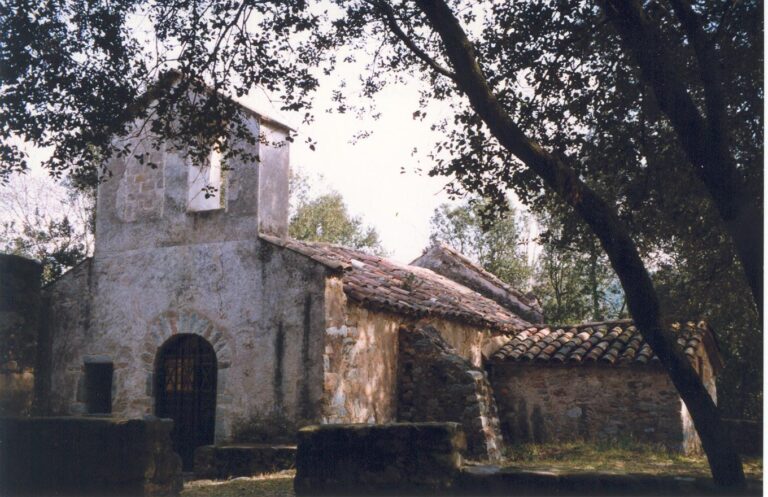
The parish of Santa María de Sales currently encompasses the hermitage of Sants Just i Pastor, the oratories of Sant Pelegrí and Sant Benet de Palerm, and also the chapel of Carme in the convent of the Carmelite Sisters of Charity- Vedruna.
Today, the physiognomy of the church is the result of refurbishments carried out in the 17th century (1627–1645): the building was lengthened to the west with the addition of the current apse, the orientation of the Torre de les Bruixes or Mal Temps conjuratory (a small religious building where ceremonies were held to ward off bad weather) was altered, and the bell tower and façade were renovated.




8 June, 2026
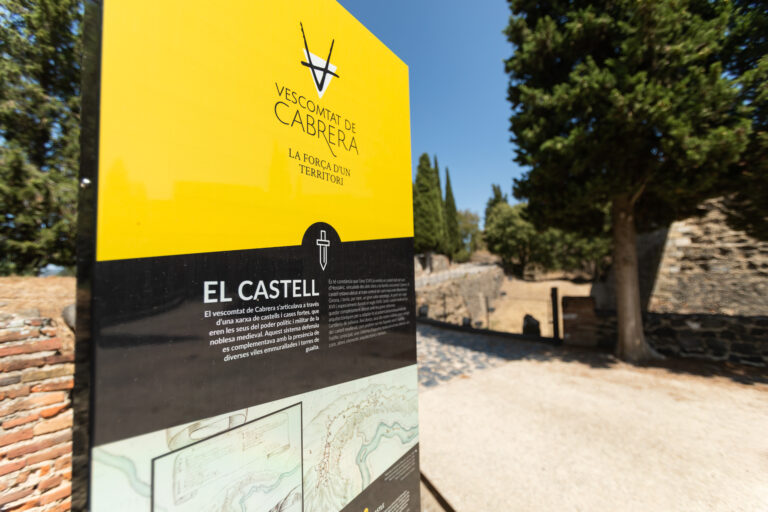
5 June, 2026 - Heritage
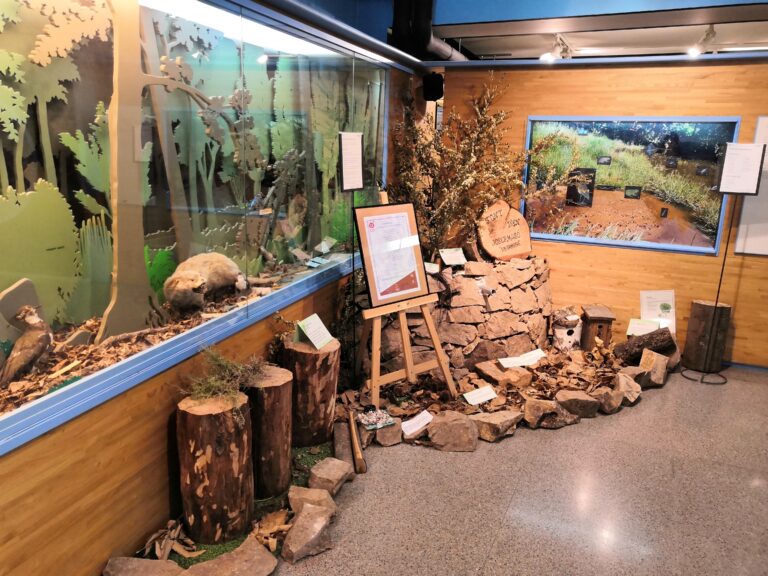
5 June, 2026 - Museums
5 June, 2026

4 June, 2026 - Local product
3 June, 2026 - Walking route
Subscribe to the newsletter





Pla de Recuperació, Transformació i Resilência - Finançat per la Unió Europea - Next Generation UE



AODL en l\'ámbit del Patrimoni. Acció subvencionada pel Servei Públic d\'Ocupació de Catalunya en el marc dels Programes de Suport al Desenvolupament local.