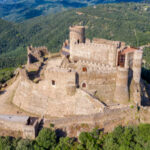
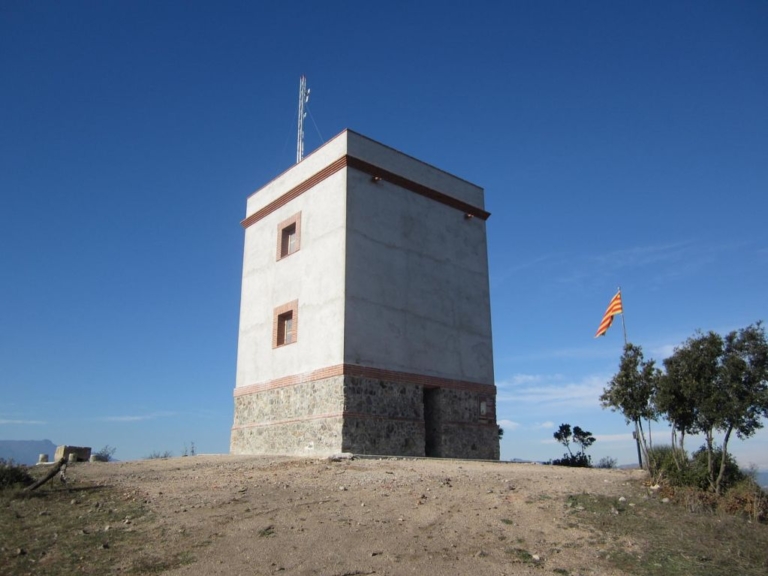
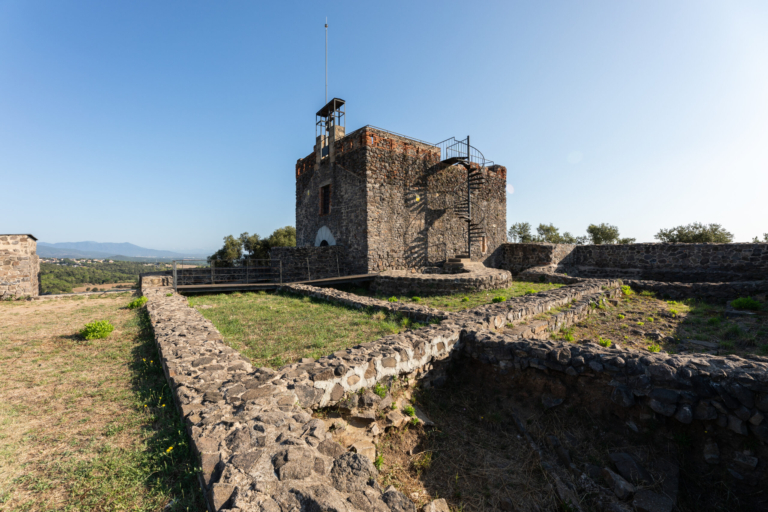
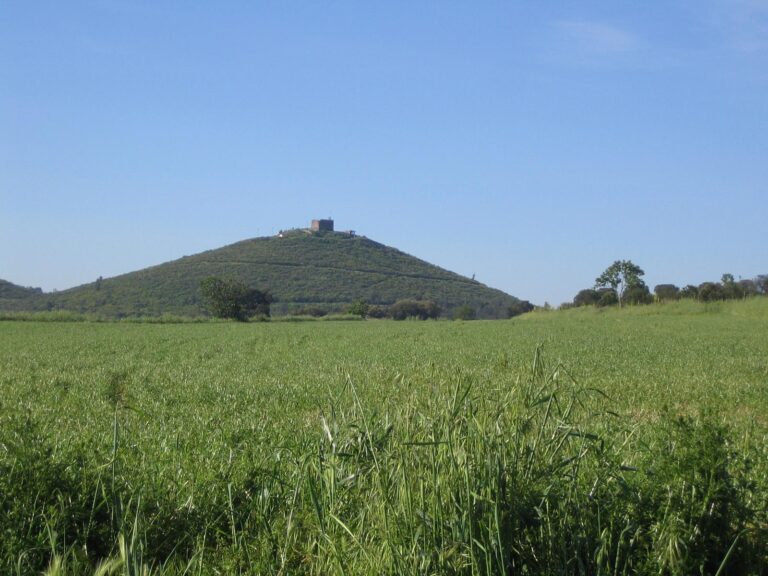
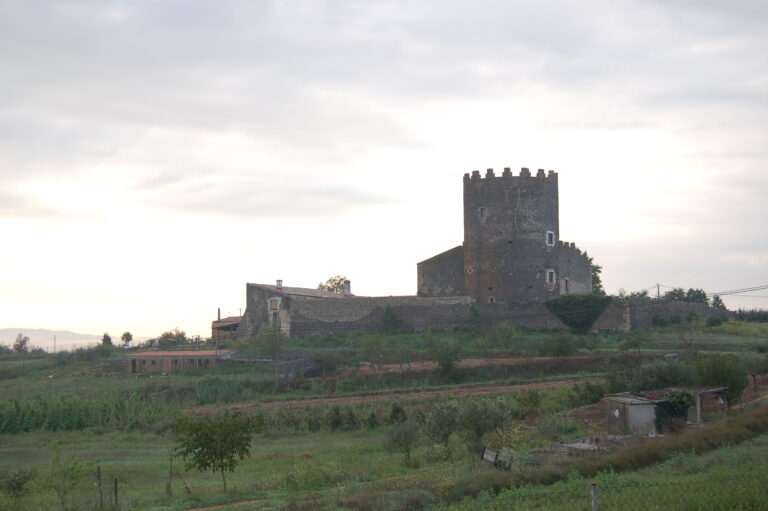
Puig Marí Tower, erected around 1944, constitutes a key piece within an extensive communication network promoted by the state with the aim of optimizing connectivity across the Spanish territory. This tower is part of an ambitious project that deployed hundreds of towers along the Catalan coast, from Sant Carles de la Ràpita to La Jonquera, for the purpose of enhancing optical telegraphy. Despite this effort to advance communications, the technical advantage of these infrastructures was ephemeral, as the arrival of electric telegraphy quickly made them obsolete.
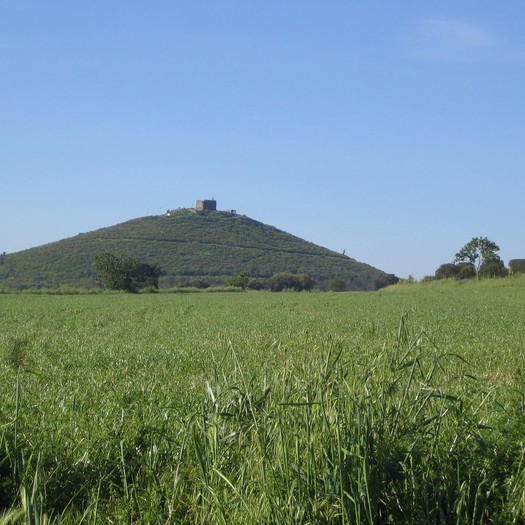
Located at an altitude of 236 meters above sea level and numbered 212 within this network, Puig Marí Tower is found at a strategic point. The nearest neighboring towers are Montagut Tower, located 11.6 km away, and Puigsardina Tower, 6 km away. The distribution and siting of these towers were tasks entrusted to Ildefons Cerdà, renowned as the architect of Barcelona’s Eixample district. This fact underlines the importance of an integrative and avant-garde vision in the deployment of communication infrastructures of that era.
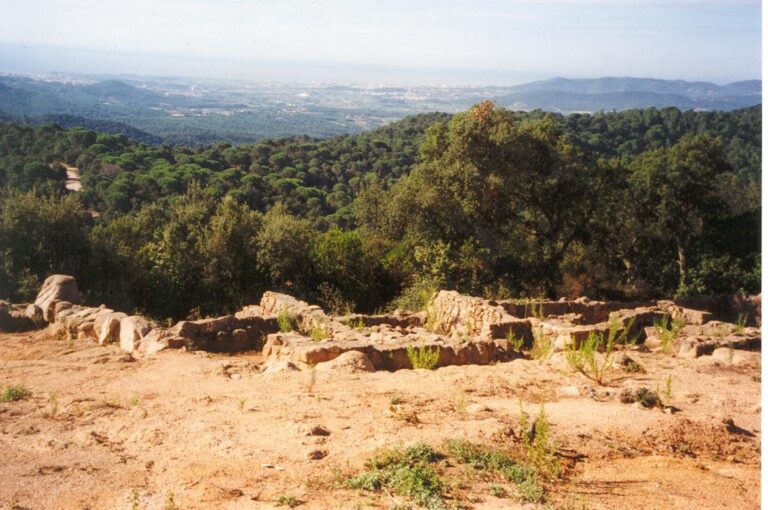
Of this tower, only the base remained, hidden by the earth and vegetation that had accumulated over the years, but the first excavations brought it to light, with a fairly acceptable degree of conservation. At the top of the hill, there was a first-order geodetic vertex (a signal that allows for measuring long distances) which was removed to carry out the reconstruction of the tower. Once the rebuilding was finished, the vertex was placed on the roof. This tower was popularly known as the Clock Tower, although the reason for this is unknown.






Subscribe to the newsletter





Recovery, Transformation and Resilience Plan – Funded by the European Union – NextGenerationEU



Local Development and Employment Officer (AODL) within the new tourism management model for La Selva. Initiative subsidised by the Public Employment Service of Catalonia as part of the Local Development Support Programmes.