The Camp dels Ninots is a palaeontological site whose history dates back three million years, specifically to the Upper Pliocene period. The site stands out as a unique example of diversity, which is why the Generalitat de Catalunya has declared it a Site of National Cultural Interest. This designation aims to promote the protection of its surroundings and encourages scientific research through participation in various projects.
The Camp dels Ninots covers an area of approximately 250,000 m² and is named after the curious stones found there. The inhabitants of Caldes used to collect “ninots”, rounded menilite opal stones that they used in their games and which were popularly known as “ninots”.
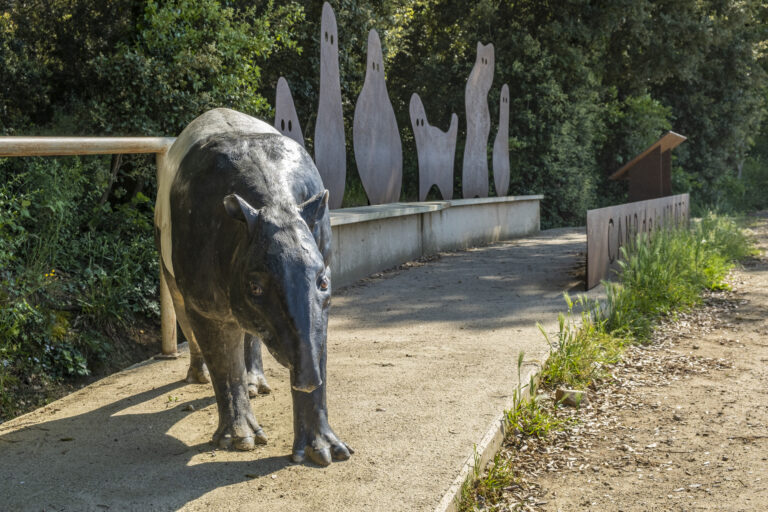
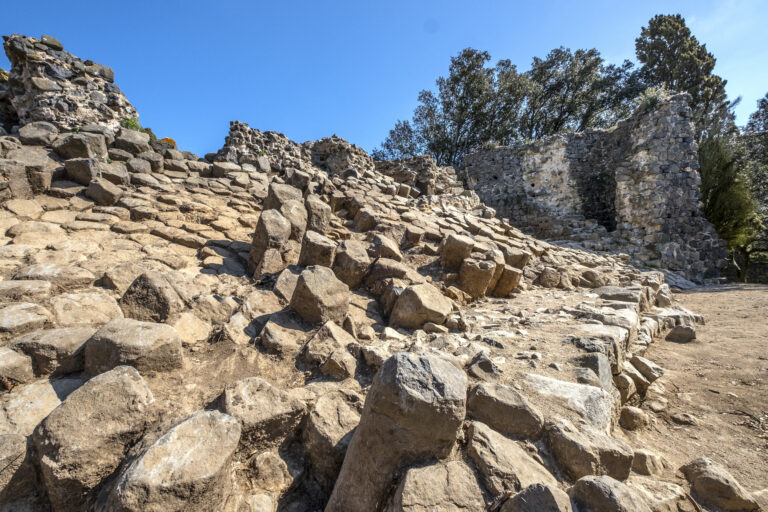
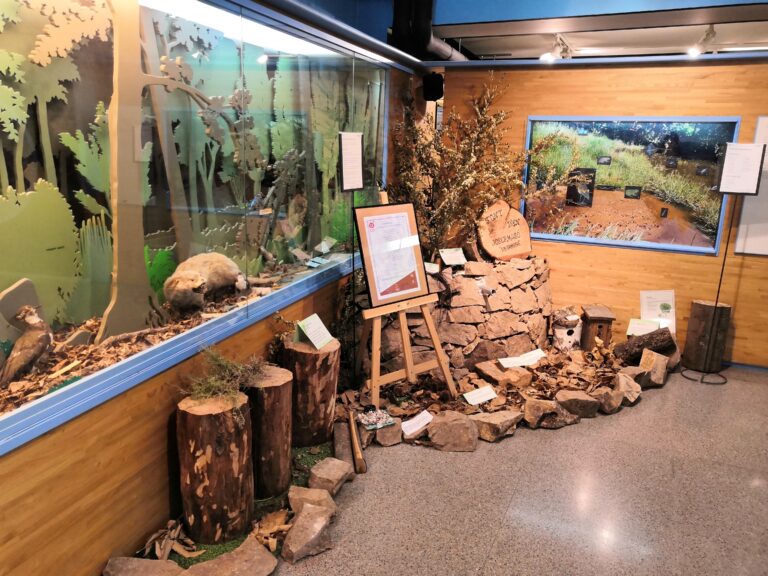
The site is located in an extinct volcano (its cone and crater can still be clearly distinguished), where a lake formed that favoured the development of a subtropical ecosystem with very rich fauna and flora. The fauna includes species that are unthinkable in today’s Mediterranean, such as rhinoceroses and tapirs, as well as fish, amphibians and reptiles. An exceptional richness of fossils is preserved and still under study.
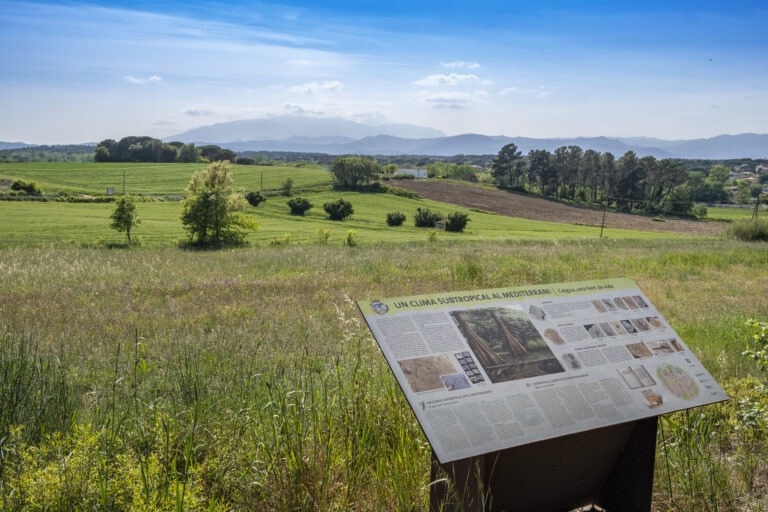
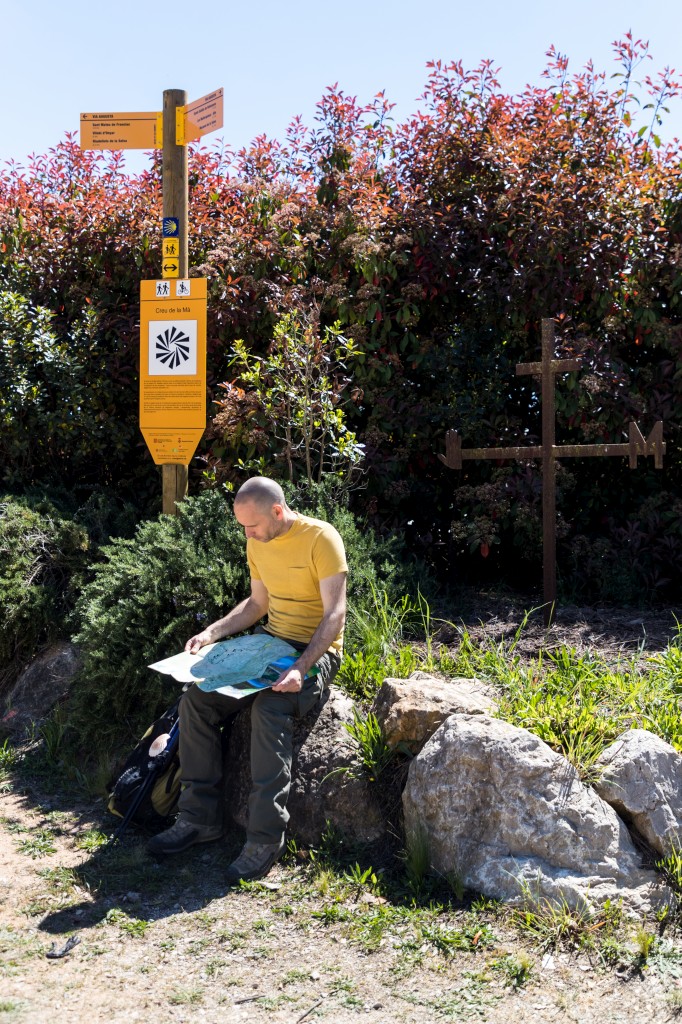
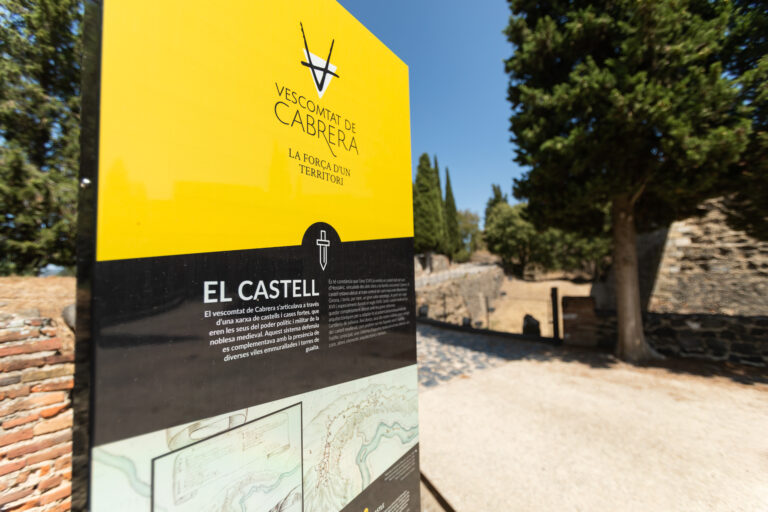
To visit the site, there is a route with four information panels explaining how the volcano became a lake, what type of flora and fauna lived there, and which exceptional geological conditions have allowed the remains of animals and plants from three million years ago to be preserved to the present day.






Subscribe to the newsletter





Recovery, Transformation and Resilience Plan – Funded by the European Union – NextGenerationEU



Local Development and Employment Officer (AODL) within the new tourism management model for La Selva. Initiative subsidised by the Public Employment Service of Catalonia as part of the Local Development Support Programmes.