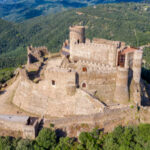
The castle of Malavella has been documented since the year 105: in a land deed drawn up by Countess Ermessenda it is mentioned as castro vetulo. Three years later, in 1057, it is mentioned again: it appears as castro quod dicunt Malavella in an oath sworn to Countess Almodis, wife of Count Ramon Berenguer I, son of Ermessenda.
In the 13th century, Caldes de Malavella, Llagostera and the castle of Malavella form part of a royal bailiwick that depends on the Count of Barcelona. In 1241, James I grants them royal privileges that exempt them from some important feudal burdens. In 1324, the bailiwick of Caldes passed into the hands of the lord Ot de Montada, and in 1375 it came under the barony of Llagostera, under the management of the Montcada family.
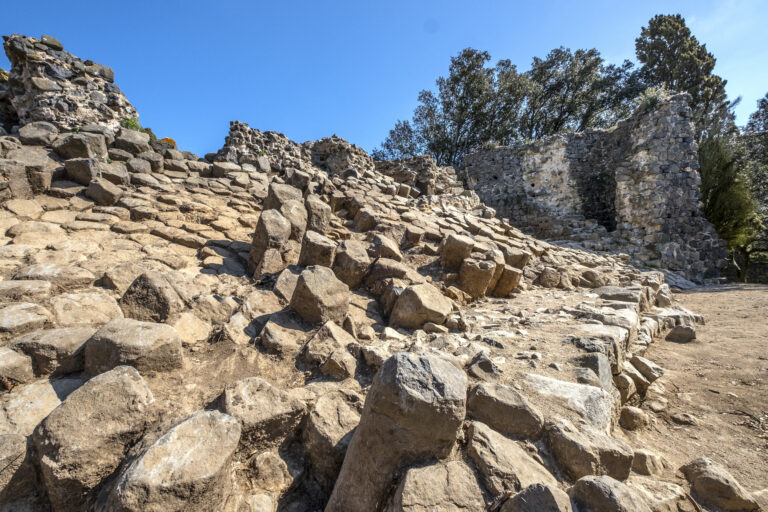
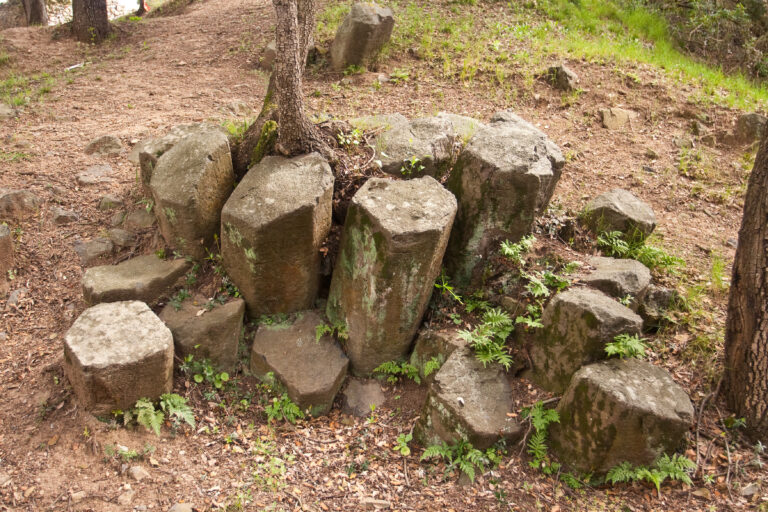
In Caldes de Malavella, several volcanic outcrops are notable. The most important one, due to its size, is the one located on mount of Sant Maurici, where there is a volcanic chimney through which magma, cinders and projectile material ascended and were emitted. This chimney is formed by hundreds of basaltic prisms dating back 4.4 million years.
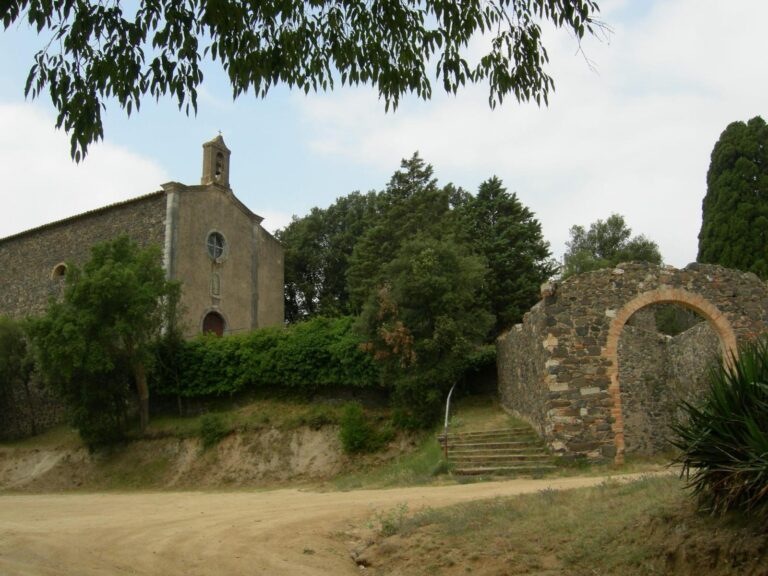
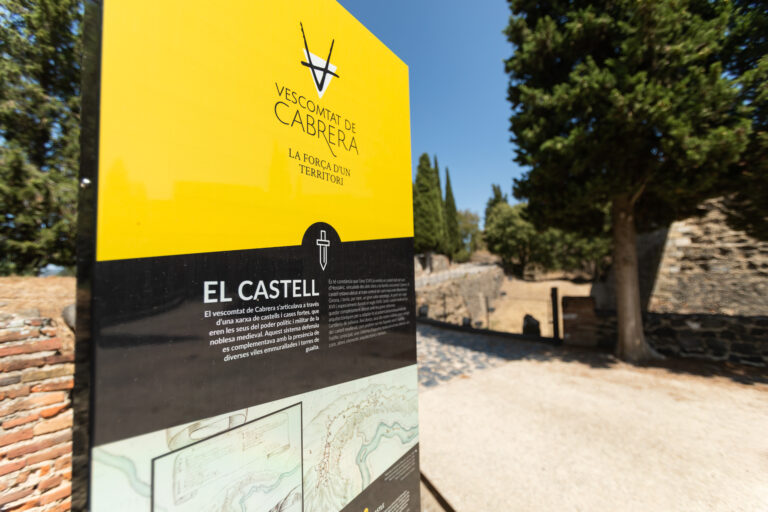
The castle was built right in this area. Its remains, which date from the 12th century, are dark and grey in colour due to the basalt stones that form the hill itself, remnants of the ancient volcanic chimney. It can be seen that the castle walls were built using these basalt prisms to make use of the most readily available resources and, very likely, to reduce stonemason costs.
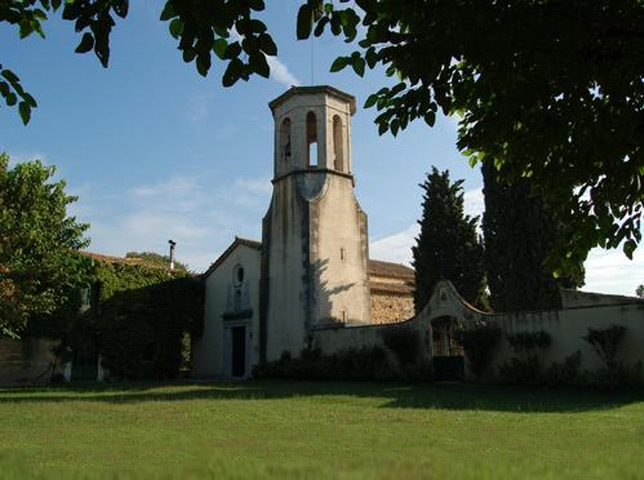
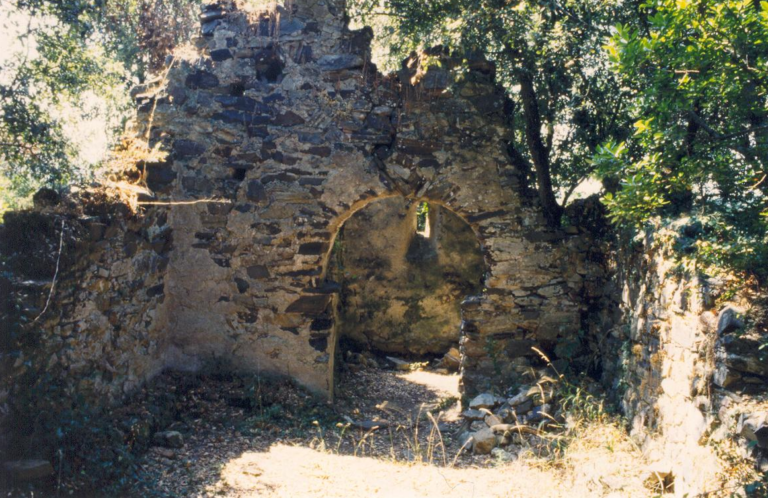
Currently, only the remains of the north, east and south walls remain. The castle would have consisted of a first enclosure delimited by two walls (to the east and north-east) and a second walled enclosure with three square towers. In the north-east corner are the remains of the castle’s former chapel, dedicated to Sant Maurici, which has a rectangular floor plan and a semi-circular apse. On the walls, traces of the mural painting that once covered the chapel’s walls can be seen.




8 June, 2026
5 June, 2026

4 June, 2026 - Local product
Subscribe to the newsletter




Pla de Recuperació, Transformació i Resilência - Finançat per la Unió Europea - Next Generation UE


AODL en l'ámbit del nou model de gestió turística de la Selva. Acció subvencionada pel Servei Públic d'Ocupació de Catalunya en el marc dels Programes de Suport al Desenvolupament local.